
Optimal Timing for Grading Projects in Jefferson City
Gradings are best performed during dry seasons when soil moisture levels are stable, reducing the risk of erosion or compaction issues.
Avoid grading during or immediately after heavy rainfall to prevent soil displacement and ensure a stable, even surface.
Coordinate grading with project timelines to allow proper settling and compaction before further construction or planting.
Optimal soil conditions for grading include firm, dry soil with minimal moisture content, typically in late spring or early fall.
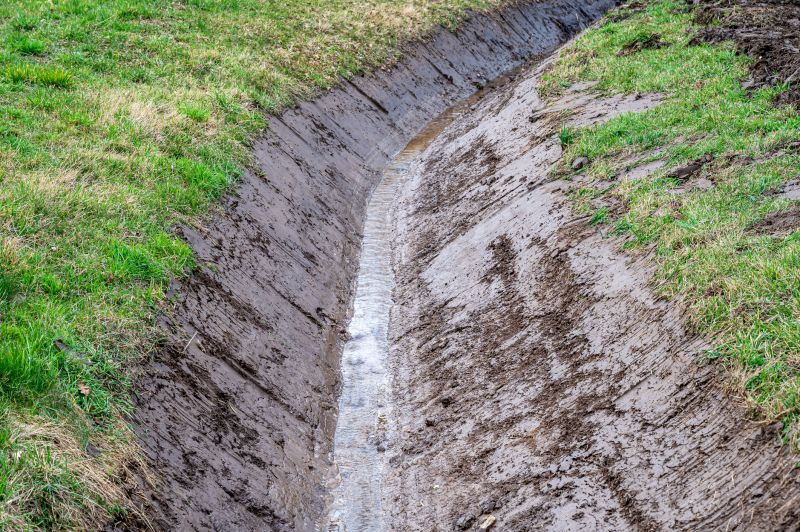
Proper grading during dry periods ensures soil stability and reduces erosion risks.
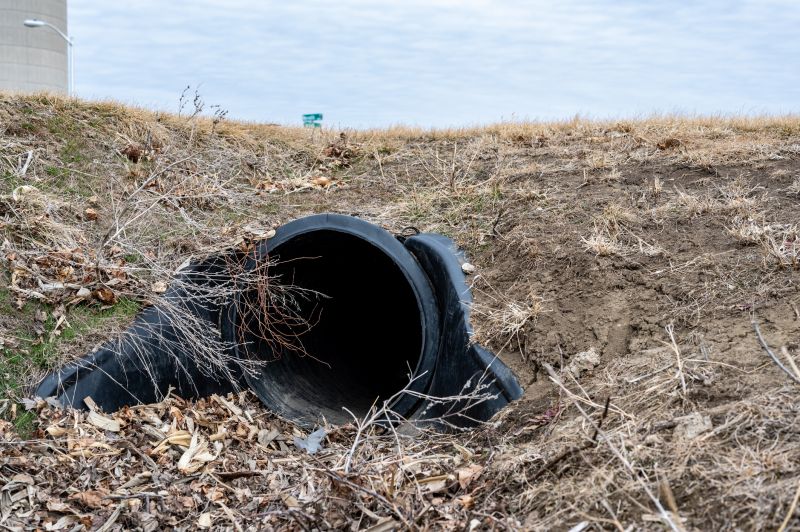
Avoid grading immediately after heavy rain to prevent soil displacement.
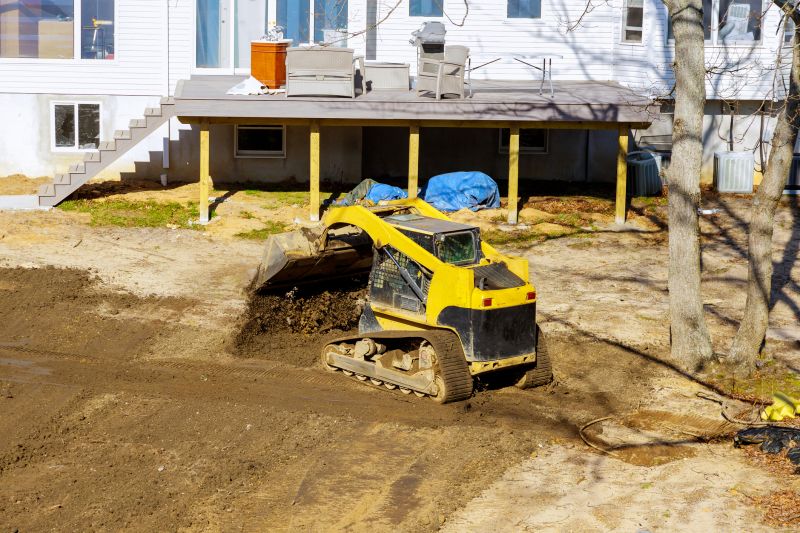
Spring offers optimal soil conditions for grading and preparation.
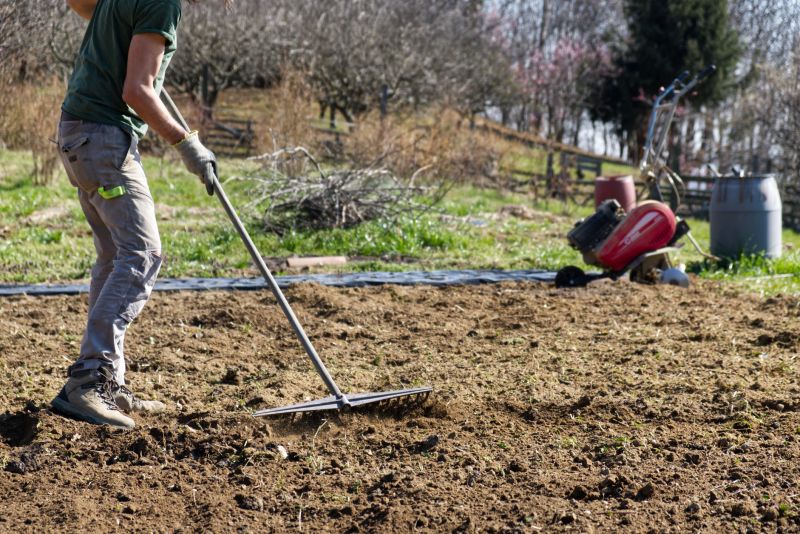
Fall grading helps prepare land for winter and spring projects.
| Timing Aspect | Details |
|---|---|
| Optimal Season | Late spring and early fall are ideal for grading due to favorable soil conditions. |
| Weather Conditions | Dry weather minimizes soil erosion and compaction issues. |
| Soil Moisture | Low soil moisture levels improve grading precision and stability. |
| Project Phase | Perform grading before laying foundations or planting. |
| Temperature Range | Moderate temperatures prevent soil damage and facilitate equipment operation. |
| Post-Weather Events | Avoid grading immediately after heavy rain or snow to ensure soil stability. |
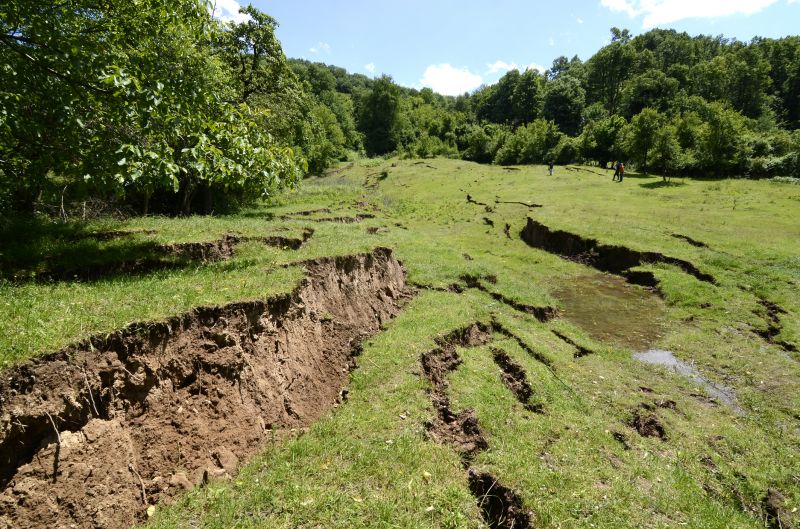
Properly timed grading enhances land stability and drainage.
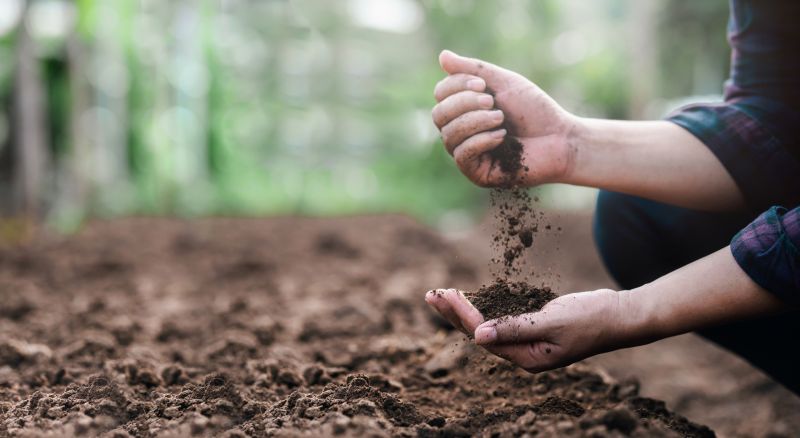
Timing ensures soil is ready for grading and subsequent construction.
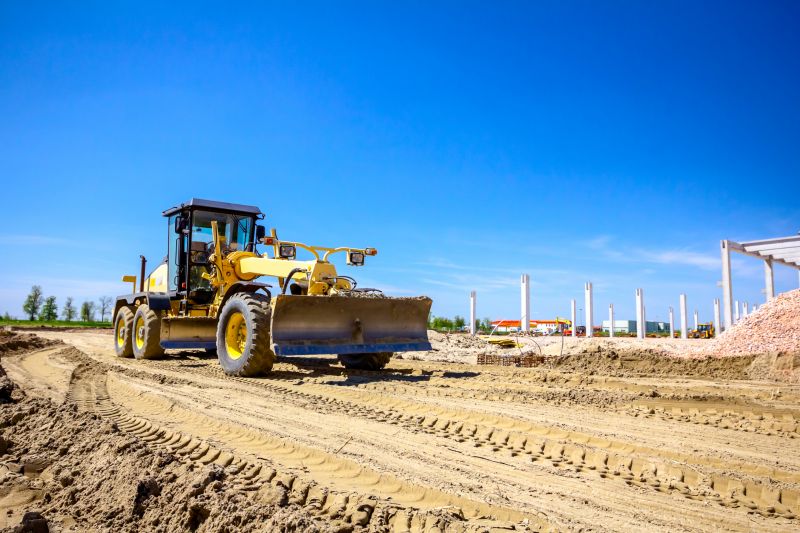
Gradings completed at optimal times facilitate smoother project progress.
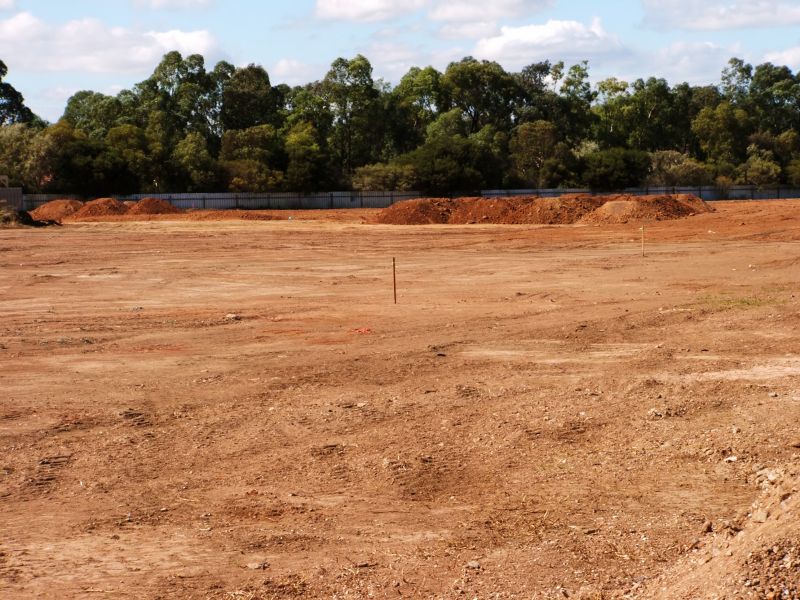
Proper timing supports long-term land usability and project success.
Interested in scheduling a grading project? Filling out the contact form can connect property owners and project managers with experienced professionals to plan the optimal timing for grading activities in Jefferson City, MO.